Over the last few years, the wellness industry has gone through a massive transformation.
People are no longer just buying products.
They are buying routines, habits, and lifestyles that make them feel better.
That’s why wellness brands are no longer simply “product companies.”
They are becoming experience-driven brands that integrate into people’s daily lives.
But this is also where one of the industry’s biggest problems begins:
Many wellness brands are starting to feel the same.
The Sameness Problem in the Wellness Industry
You open the website of a supplement brand.
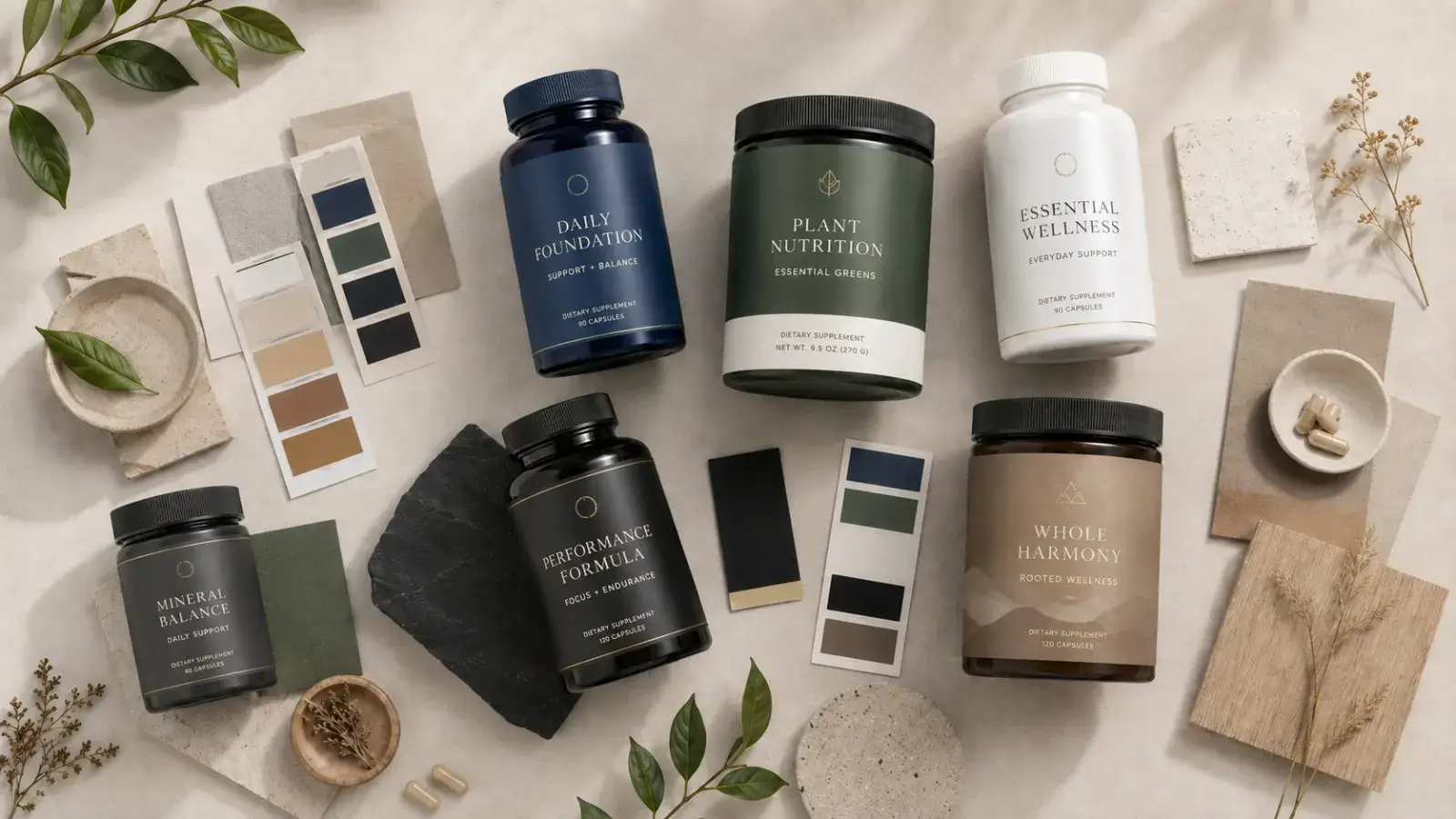
Beige tones.
Soft greens.
Minimal typography.
Large amounts of whitespace.
Botanical visuals.
A “clean” atmosphere.
Then you look at another brand. Almost the same feeling.
Because in the wellness industry, a certain visual language has started to be treated like a formula for success.
And at some point, brands stopped building identities and started repeating aesthetic trends instead.
The problem is: users notice this.
Because wellness is not only about aesthetics.
It is connected to people’s health, routines, and everyday lives.
That’s why users approach wellness brands much more carefully on a subconscious level.
Looking Good Is No Longer Enough
Today, many wellness brands use:
- pastel colors,
- minimalist designs,
- natural imagery,
- and “clean” aesthetics.
And yes, these elements attract attention.
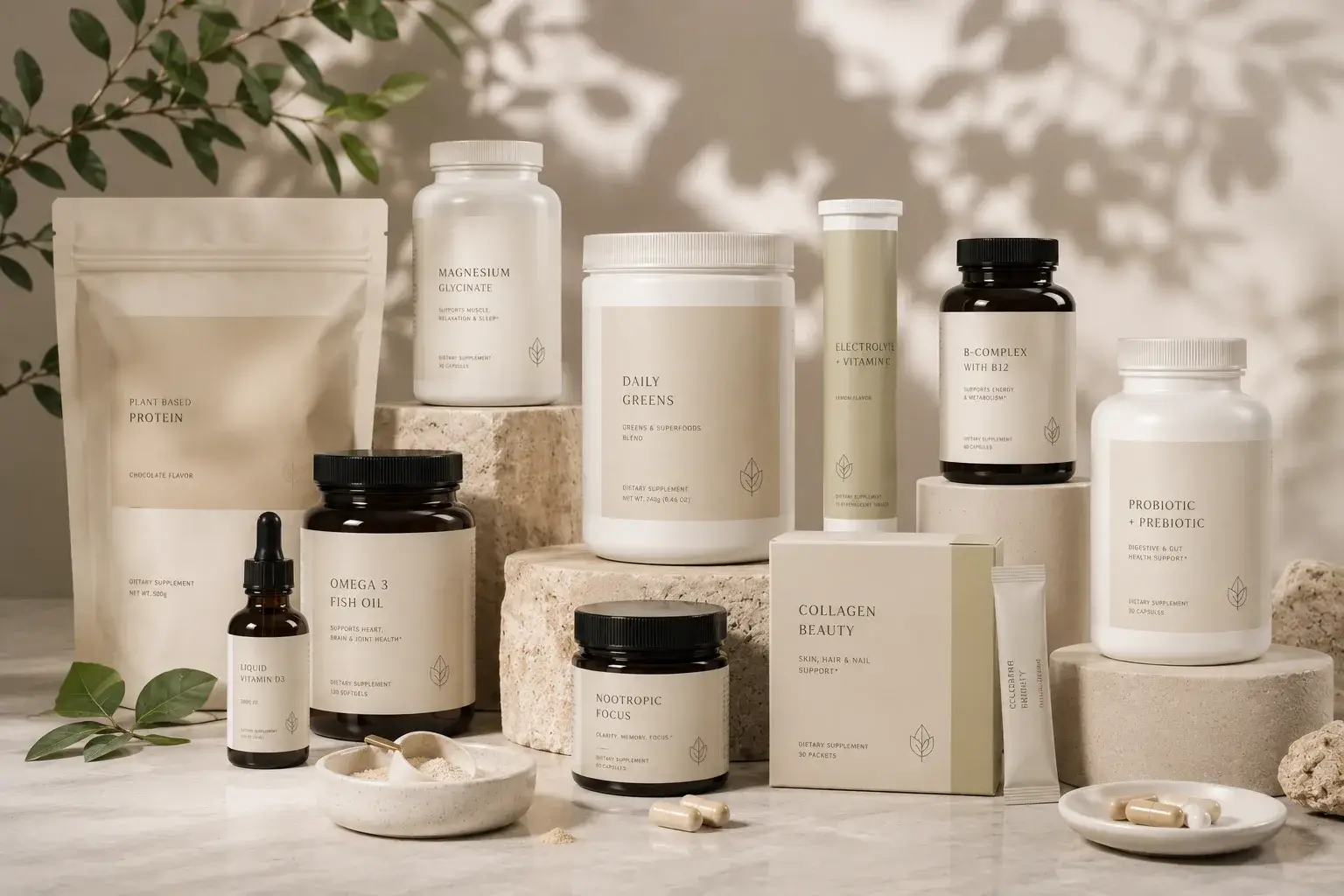
But here’s the problem: many brands are starting to look identical.
The same typography, the same packaging language, the same “minimal wellness” aesthetic…
As a result, users struggle to remember brands.
Users No Longer Want “Aesthetic”, They Want Consistency
In the past, beautiful packaging alone could be enough to stand out.
Today, users are trying to understand whether a brand is actually professional.
Because in the wellness industry, people care not only about what is inside the product,
but also about how the brand behaves.
If a brand:
tries too hard to feel premium,
feels overly marketing-driven,
tries to appear natural but comes across as artificial,
or hides information behind minimalism… Trust can disappear very quickly.
People are no longer only looking at design.
They are trying to read the intention behind the design.
Users Pay More Attention to Brand Details Than You Think
Today, people notice:
- ingredient lists,
- product claims,
- tone of voice,
- transparency,
- packaging quality,
- website experience,
- and even the tone of a brand’s social media presence.
Especially in the wellness industry, small details can create huge differences in trust.
For example:
- overly aggressive claims,
- complicated label structures,
- unreadable ingredient panels,
- or language that feels too marketing-focused can quickly create suspicion.
Because when health is involved, people become far more selective.
What Strong Wellness Brands Do Differently
Successful wellness brands are not simply trying to “look beautiful.”
They create a clear personality in the user’s mind.
Some brands build trust by feeling scientific. Others create a quiet and refined premium experience. Some take a warmer, more human, community-driven approach.
But they all share one thing in common:
Their voice, visual identity, product experience, and communication style never contradict each other.
Because real branding is much more than logo design.
Real Branding Is About Creating a Consistent Feeling
Most importantly:
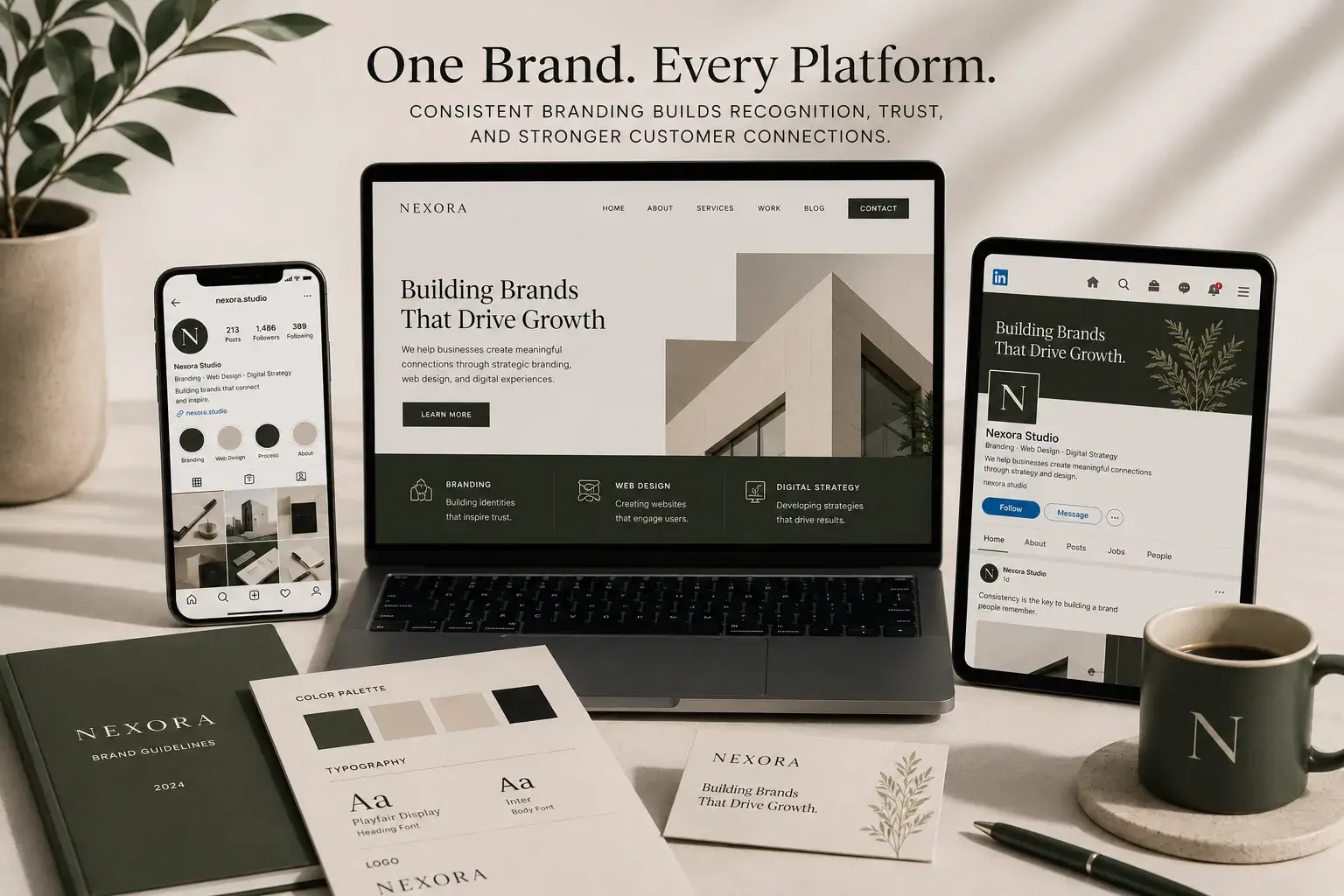
every touchpoint of the brand feels connected.
Packaging, website, Instagram posts, product photography, typography, color usage… Everything supports the same brand personality.
That’s where real branding begins.
Design That Feels Clear, Trustworthy, and Premium
At Flowora Creative Lab, we develop aesthetic, user-focused, and FDA-compliant design systems for premium wellness and supplement brands.
We create all types of FDA-compliant packaging designs while closely overseeing every stage of the process; from laboratory coordination and sample preparation to printing and shipping logistics.
Our goal is not only to create brands that look beautiful, but also to design experiences that feel trustworthy, professional, and capable of building long-term brand value.