
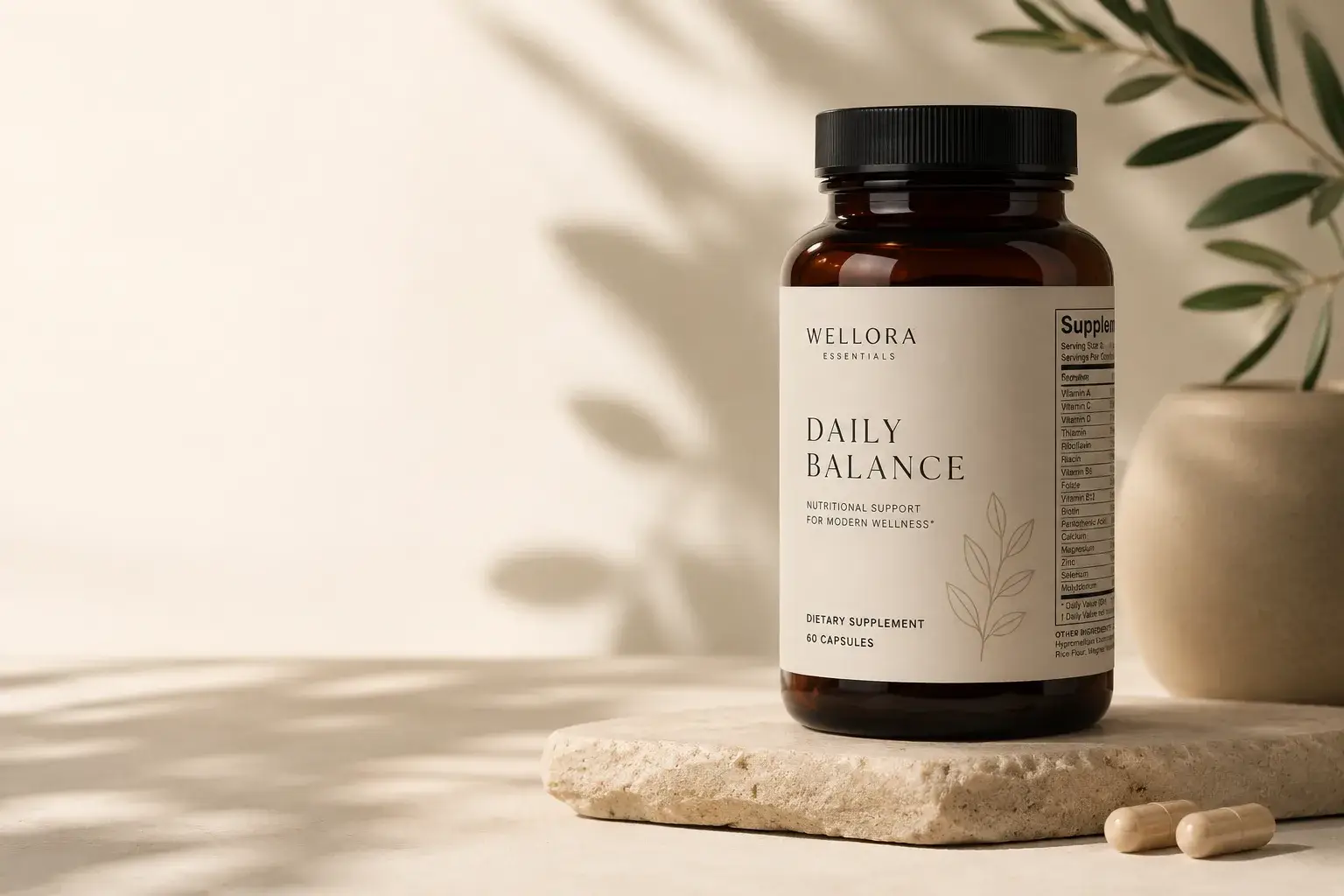
Launching a supplement product is exciting. You have invested time, money, and effort into creating a formula you believe in. However, many brands overlook one critical element before going to market: label compliance. A beautiful label alone is not enough. If your packaging does not meet FDA requirements, you may face costly revisions, production delays, or even regulatory issues after launch. In this article, we’ll break down the essential elements of an FDA-compliant supplement label and explain why compliance should be considered from the very beginning of the design process.
What Does FDA-Compliant Mean?
For dietary supplements sold in the United States, labels must follow specific FDA regulations. These rules help ensure that consumers receive accurate and transparent information about the product. An FDA-compliant label typically includes required elements such as a Statement of Identity, the net quantity of contents, a Supplement Facts panel, a complete ingredient list, and the name and place of business of the manufacturer, packer, or distributor. Depending on the product, additional warnings, disclaimers, or usage instructions may also be required.
Why FDA Compliance Matters
The FDA regulates dietary supplement labeling to ensure consumers receive accurate and transparent information about the products they purchase.
Non-compliant labels can lead to:
- Product launch delays
- Expensive reprints
- Retailer rejection
- Regulatory warnings
- Loss of consumer trust
Compliance is not simply a legal requirement; it is also a critical part of building a credible and professional brand.
Common Labeling Mistakes
-
Unapproved claims: Claims that suggest a product can diagnose, treat, cure, or prevent a disease can trigger regulatory issues.
-
Incomplete Supplement Facts panels: Missing nutrients, incorrect serving sizes, or formatting errors are common problems.
-
Poor readability: Fonts that are too small or low-contrast designs can make required information difficult to read.
-
Incorrect business information: The label must accurately identify the responsible company and location as required by regulation.
Why Compliance Benefits Your Brand
Compliance is not only about avoiding legal risks. It also strengthens credibility. Consumers are increasingly attentive to transparency, ingredient quality, and brand integrity. A clear and compliant label communicates professionalism and builds confidence in your product. In competitive wellness markets, trust is a major differentiator. Brands that invest in accurate labeling often create stronger long-term relationships with customers.
When Should You Review Label Compliance?
Many supplement brands wait until their packaging design is complete before reviewing compliance requirements. Unfortunately, this approach often leads to costly revisions. The ideal time to review compliance is before the design process begins. By identifying mandatory label elements early, brands can build packaging layouts that accommodate regulatory requirements without sacrificing visual appeal.
A pre-production compliance review can help brands:
- Avoid expensive redesigns
- Prevent printing delays
- Reduce regulatory risks
- Create a more organized packaging structure
- Launch products with greater confidence
This proactive approach is often more efficient and cost-effective than making corrections after labels have already been approved or printed.
Compliance and Design Should Work Together
Many brands worry that regulatory requirements will limit creativity. In reality, effective label design balances compliance with strong visual storytelling. A well-structured label can be both attractive and informative, helping consumers quickly understand the product while maintaining a premium brand image.
The best labels are designed with compliance in mind from the beginning, rather than treating regulations as an afterthought.
A successful label should:
- Meet regulatory requirements
- Clearly communicate product benefits
- Build consumer trust
- Strengthen brand recognition
- Stand out on crowded shelves
Many companies treat compliance and design as separate processes but the strongest supplement packaging integrates both from the start.
Takeaway
Creating a compliant supplement label involves much more than choosing attractive colors and typography. Understanding FDA requirements early can save significant time, money, and frustration later in the product development process. Whether you’re launching your first supplement or expanding an existing product line, investing in compliance-focused packaging design helps ensure a smoother path to market.
Need Help with FDA-Compliant Supplement Label Design?
Whether you’re launching a new supplement brand or updating an existing product line, ensuring compliance before production can save significant time and resources. At Flowora Creative Lab, we combine regulatory awareness with strategic packaging design to help wellness brands create labels that are both compliant and visually compelling.
Contact us today to discuss your next supplement packaging project.