Your website is often the first interaction potential customers have with your business. It serves as your digital storefront, sales representative, portfolio, and communication hub all at once. However, many businesses continue using the same website for years without realizing how much it may be costing them in lost opportunities. A website redesign is not simply about making a site look more modern. It’s about improving user experience, supporting business goals, increasing conversions, and ensuring your online presence reflects the quality of your brand. If you’re unsure whether it’s time to invest in a redesign, here are some of the most common signs that your website may be holding your business back.
Why Website Redesign Matters
Customer expectations change quickly. The website that impressed visitors five years ago may feel outdated today. Design trends evolve, technology advances, and user behavior shifts. A modern website should do more than look attractive. It should:
- Build trust
- Guide users toward action
- Load quickly
- Perform well on mobile devices
- Support search engine visibility
- Reflect your current business goals
When a website fails in one or more of these areas, it can negatively impact both user experience and business performance.
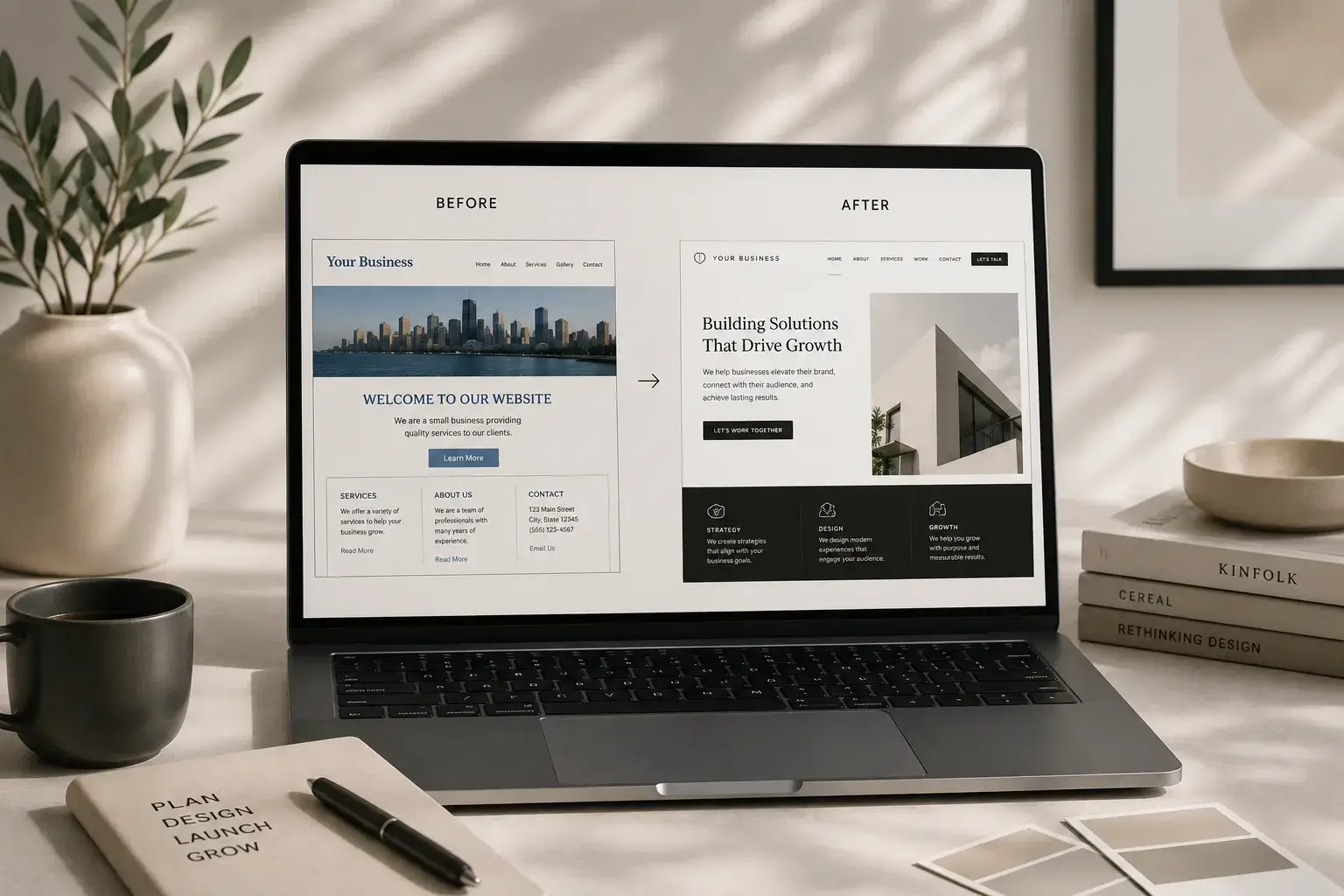
Sign #1: Your Website Looks Outdated
Visual design plays a significant role in how people perceive your business. Within seconds of landing on your website, visitors form opinions about your professionalism, credibility, and quality. Common signs of an outdated website include:
- Old-fashioned layouts
- Inconsistent typography
- Low-quality images
- Excessive visual clutter
- Small text and crowded content
- Design styles that feel several years behind current standards
An outdated website can unintentionally communicate that your business is no longer active, innovative, or trustworthy.
Sign #2: Your Website Is Not Mobile-Friendly
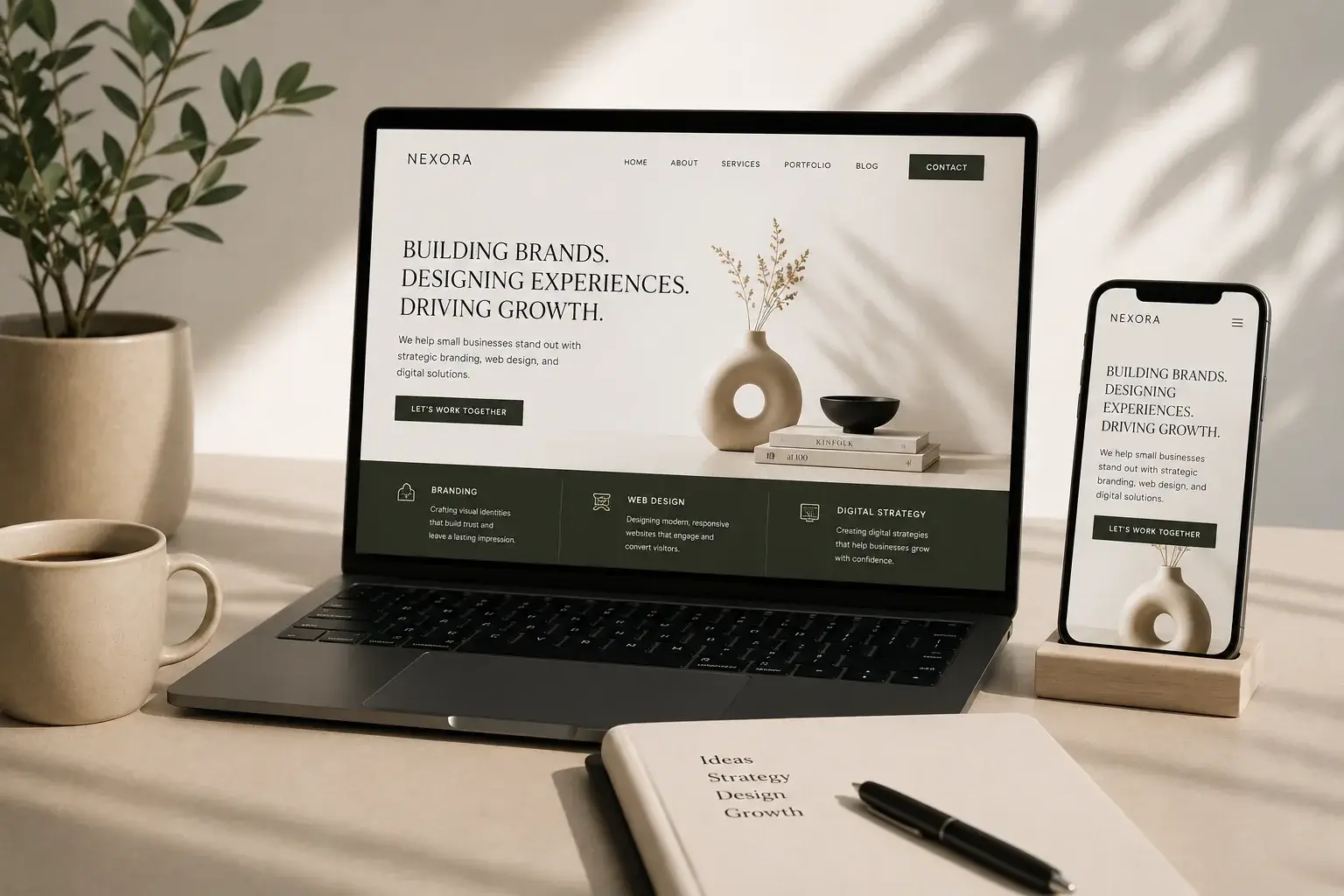
Mobile traffic now accounts for a significant portion of website visits across most industries. If users need to zoom, pinch, scroll excessively, or struggle to navigate your site on a phone, they are unlikely to stay for long. A modern website should provide a seamless experience across:
- Smartphones
- Tablets
- Laptops
- Desktop computers
Mobile optimization is no longer optional; it’s a fundamental requirement.
Sign #3: Slow Loading Speeds
Website speed directly affects user satisfaction. Research consistently shows that visitors are likely to leave websites that take too long to load.
Slow websites often experience:
- Higher bounce rates
- Lower conversion rates
- Reduced search engine visibility
- Poor user experience
Several factors may contribute to slow performance, including outdated code, oversized images, excessive plugins, and poor hosting infrastructure. A redesign often provides an opportunity to improve performance while creating a smoother browsing experience.
Sign #4: Your Brand Has Evolved
Businesses rarely stay the same forever. Perhaps you’ve introduced new services, entered a new market, refined your positioning, or updated your visual identity. If your website no longer reflects who you are today, it may create confusion for potential customers.
Questions to consider:
- Does your website accurately represent your current services?
- Does it reflect your current brand identity?
- Does it attract the type of clients you want today?
If the answer is no, a redesign may be necessary.
Sign #5: You’re Not Generating Enough Leads
A beautiful website means very little if it fails to generate results. Your website should help move visitors toward meaningful actions such as:
- Booking a consultation
- Requesting a quote
- Filling out a contact form
- Making a purchase
- Joining your email list
If traffic is coming to your website but visitors rarely convert, there may be underlying usability or communication issues that a redesign can address.
Sign #6: Navigation Feels Confusing
Visitors should never have to work hard to find information.
Complicated menus, unclear page structures, and inconsistent navigation can quickly frustrate users.
Good navigation should help visitors:
- Understand your offerings
- Find important information quickly
- Move naturally through the website
- Complete desired actions without confusion
Improving navigation is often one of the most impactful benefits of a redesign project.
Sign #7: Your Competitors Have Pulled Ahead
Your website doesn’t exist in isolation. Potential customers are often comparing multiple businesses before making a decision. If competitor websites feel more modern, informative, and user-friendly, visitors may perceive them as the safer choice. Regularly reviewing competitor websites can help identify opportunities to improve your own digital presence.
The Hidden Cost of an Outdated Website
Many businesses postpone redesign projects because their existing website is still technically functional. The reality is that outdated websites often create hidden costs that aren’t immediately obvious.
These costs may include:
- Lost inquiries
- Lower conversion rates
- Reduced customer trust
- Poor search engine rankings
- Missed business opportunities
- Increased maintenance challenges
While these issues may be difficult to measure individually, their cumulative impact can be significant over time.
Website Refresh vs Website Redesign
Not every website requires a complete rebuild. Sometimes a simple refresh is enough.
Website Refresh
A refresh typically includes:
- Updated imagery
- Improved typography
- Minor layout adjustments
- Updated content
- Small branding improvements
Website Redesign
A redesign is more comprehensive and often includes:
- New site architecture
- New user experience strategy
- New page layouts
- Improved conversion paths
- Mobile optimization
- Performance improvements
- Brand alignment
Understanding the difference can help businesses choose the right approach for their needs and budget.
Questions to Ask Before Starting a Redesign
Before investing in a redesign, it’s important to evaluate your goals.
Ask yourself:
- What is currently working well?
- What frustrations do users experience?
- What pages generate the most traffic?
- What actions do you want visitors to take?
- What business goals should the website support?
- Has your target audience changed?
A successful redesign should be guided by strategy rather than aesthetics alone.
What a Modern Website Should Deliver
Today’s websites are expected to do more than simply provide information.
A successful website should:
- Build credibility
- Create a positive user experience
- Generate qualified leads
- Support marketing efforts
- Communicate brand value
- Perform well on all devices
- Encourage conversions
When these elements work together, a website becomes a valuable business asset rather than just an online brochure.
Takeaway
A website redesign is not about chasing design trends or changing things for the sake of change. It’s about ensuring your website continues to support your business, represent your brand, and meet the expectations of modern users. If your website feels outdated, struggles to generate leads, performs poorly on mobile devices, or no longer reflects your business, it may be time for an upgrade. A thoughtful redesign can improve user experience, strengthen credibility, and create new opportunities for growth: making it one of the most impactful investments a business can make in its digital presence.